
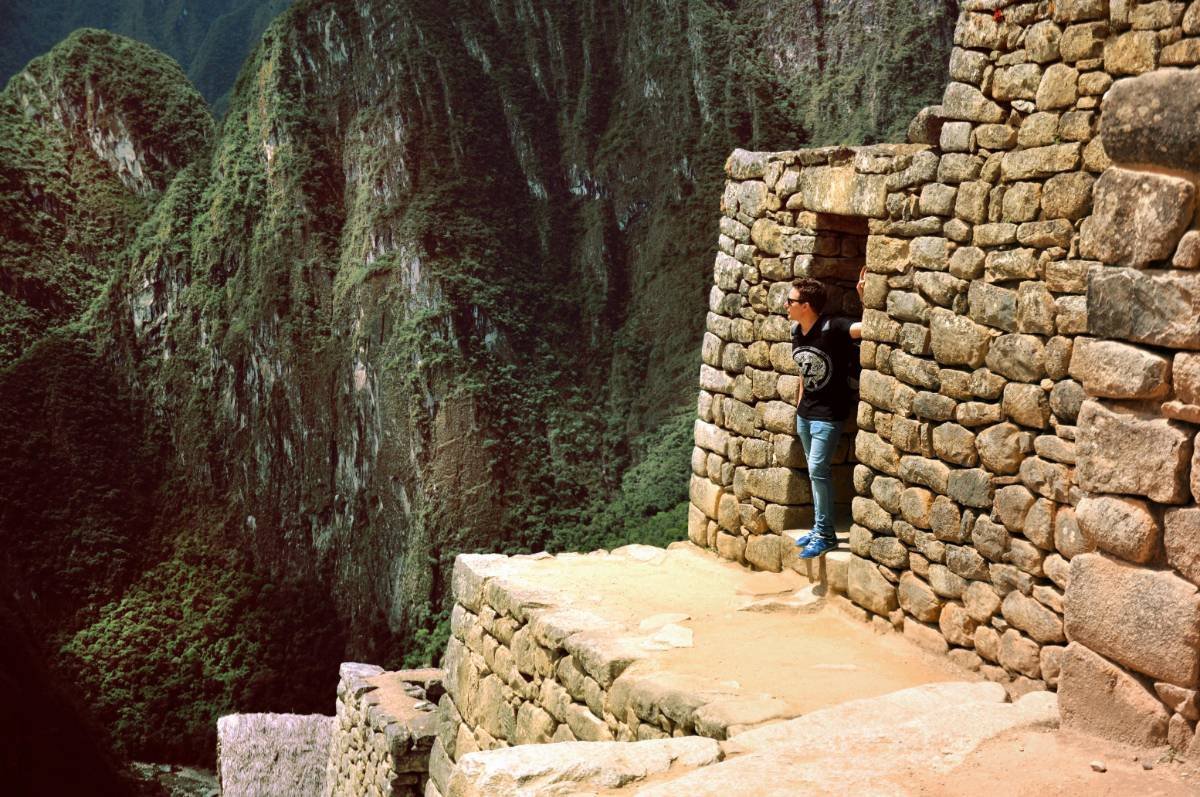
Exploring Indigenous Cultures: Destinations and Responsible Tourism Tips
Traveling to destinations that are home to indigenous cultures offers a unique and enriching experience. By immersing yourself in these diverse traditions and lifestyles, you can gain a deeper understanding of the world. However, it’s crucial to approach these travels with respect and awareness, ensuring that your presence supports and honors the indigenous communities. Here are some must-visit destinations, as well as tips on how to travel responsibly when exploring indigenous cultures.
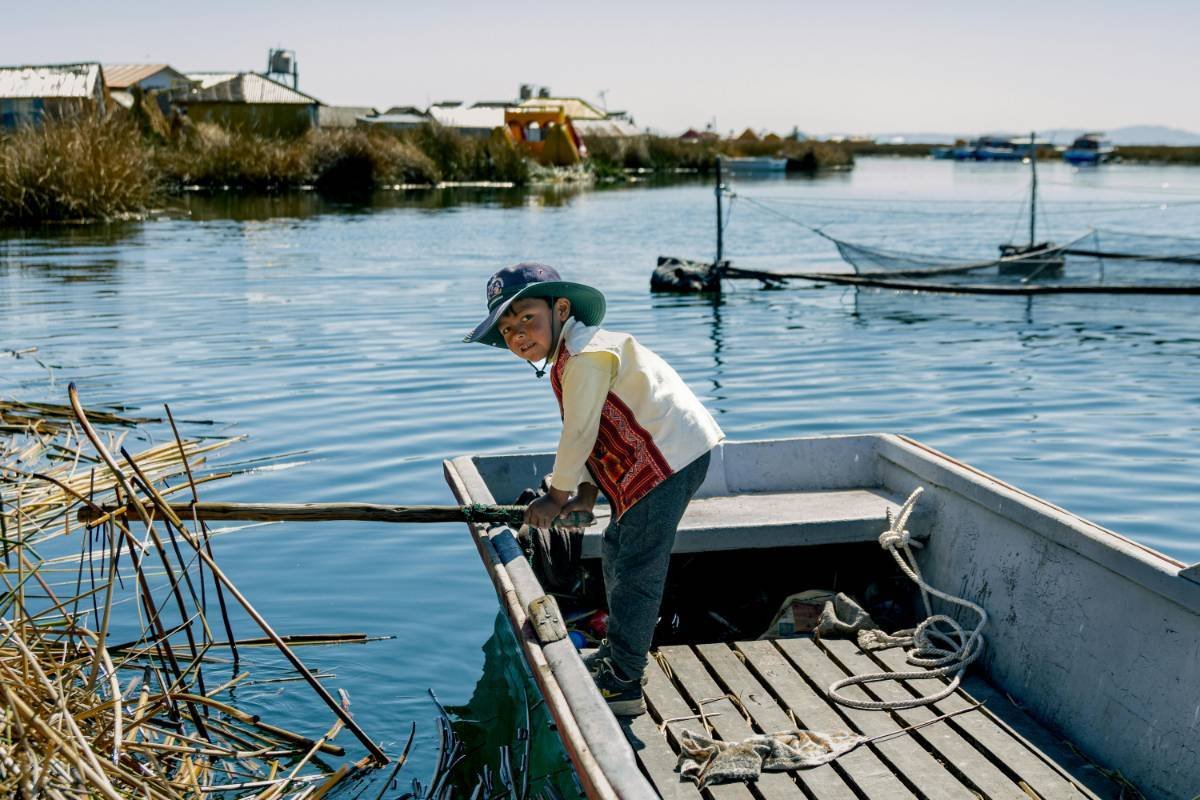 Machu Picchu, Peru: Inca Heritage and Spiritual Connection
Machu Picchu, located in the Andes Mountains of Peru, is one of the most iconic sites that highlights the rich history of the Inca civilization. The indigenous Quechua people still inhabit many regions surrounding the sacred valley, and their culture remains a vital part of the Peruvian identity.
When visiting Machu Picchu, it’s important to respect local customs, support indigenous-run businesses, and learn about the spiritual significance of the site. Engage with local Quechua guides who can share insights about the history, culture, and traditions of their people. By doing so, you'll gain a deeper understanding of the site’s importance while helping preserve the region’s cultural heritage.
The Maori Culture, New Zealand: A Rich Legacy of TraditionNew Zealand is home to the indigenous Maori people, whose traditions and language are deeply embedded in the country’s identity. The Maori culture is known for its art, dance (haka), and intricate carvings, and is an integral part of New Zealand’s tourism landscape.
To experience the Maori culture, consider visiting the Rotorua region, where visitors can experience traditional feasts, arts, and performances. Be respectful by learning a few words in te reo Maori, the indigenous language, and by participating in cultural activities with an open heart. Responsible tourism is key—support local Maori-owned businesses and ensure that your visit helps preserve the culture for future generations.
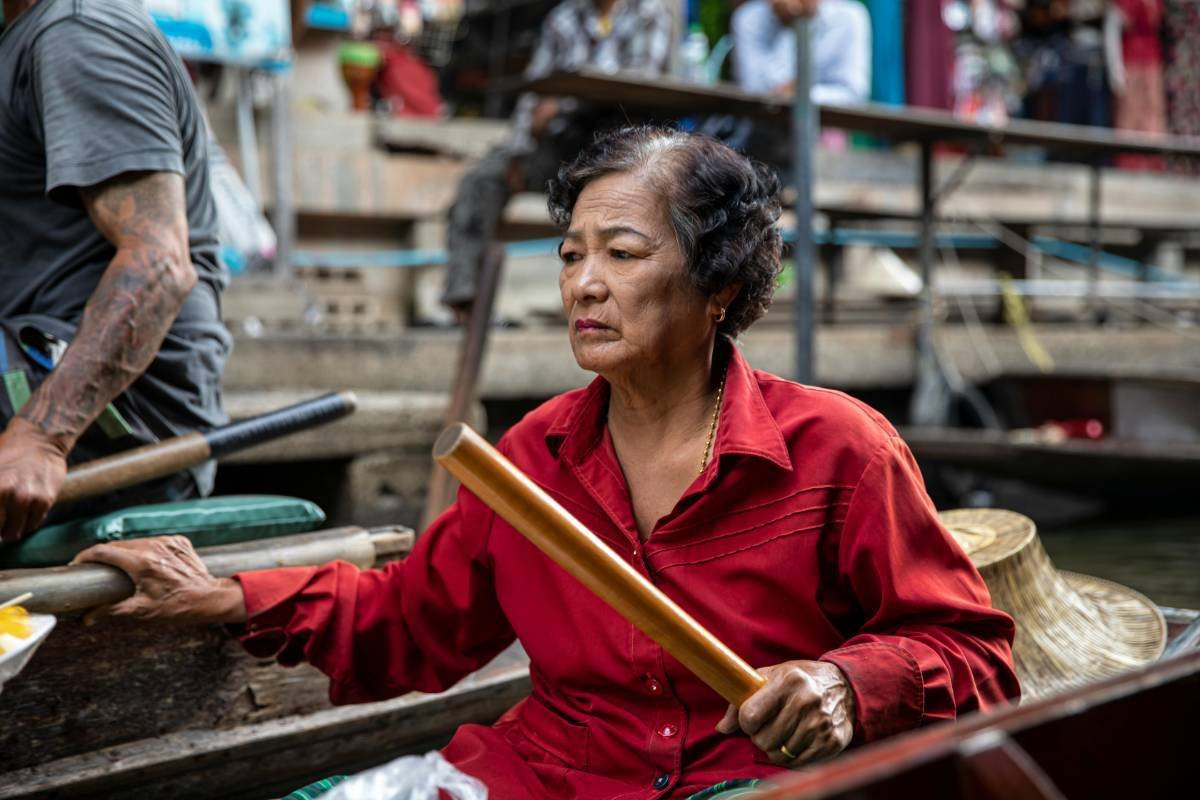
Australia’s Aboriginal peoples have a rich and ancient history that dates back tens of thousands of years. The connection to the land and natural world is at the heart of Aboriginal culture, and visitors can learn about their deep spiritual ties to the earth through art, storytelling, and guided tours.
To experience Aboriginal culture responsibly, visit regions like the Northern Territory, where you can explore sacred sites like Uluru (Ayers Rock) and learn about the indigenous stories connected to these landscapes. Always approach these sacred places with respect, and follow the guidance of Aboriginal guides who can share their traditions in an informed and respectful manner.
💡 Discover More from Travel Tips

Premium Hotels
The Art of Packing Light: How to Travel with Just a Carry-On
Premium Hotels
Family-Friendly Destinations for Unforgettable Vacations with Kids

Premium Hotels
Foodie’s Guide: Best Culinary Destinations Around the Globe
Premium Hotels
How to Travel Safely: Essential Tips for Women Traveling Alone
The United States is home to over 500 federally recognized Native American tribes, each with its unique history, language, and traditions. From the Navajo Nation in the Southwest to the Lakota Sioux in the Great Plains, there are countless opportunities to explore Native American culture.
When traveling to Native American reservations or cultural centers, it’s essential to engage respectfully and learn about their history, challenges, and contributions to society. Visit museums, attend cultural events, and support native artisans and local businesses. Responsible tourism can help support these communities while preserving their cultural heritage.
The Sami Culture, Scandinavia: Reindeer Herding and Arctic TraditionsThe Sami people are the indigenous group of the Arctic regions of Norway, Sweden, Finland, and Russia. Traditionally, they are known for their reindeer herding and unique lifestyle that is deeply tied to the harsh, beautiful Arctic environment.
To experience Sami culture, visit regions like Sweden’s Lapland or Norway’s Finnmark. There, you can learn about traditional Sami practices, stay in indigenous-owned lodges, and take part in reindeer herding activities. Ensure that your visit respects their way of life and supports the Sami community’s efforts to maintain their traditions while adapting to modern times.
Responsible Tourism TipsWhen traveling to indigenous communities, it’s vital to adopt a responsible approach that supports the local culture, environment, and economy. Here are a few tips for responsible tourism when exploring indigenous cultures:
Respect local customs and traditions: Take time to learn about the culture you are visiting and follow local etiquette. Be mindful of sacred sites and always ask for permission before taking photographs.
Support indigenous businesses: Choose tours, accommodations, and restaurants run by indigenous people to directly contribute to their communities.
Leave no trace: Be conscious of your environmental impact. Stick to marked trails, avoid littering, and be mindful of the flora and fauna around you.
Learn from locals: Engage with indigenous guides and community members to gain a deeper understanding of their history and culture. Listen to their stories and be respectful of their perspectives.
ConclusionExploring indigenous cultures offers an enriching and transformative experience, but it’s important to approach these travels with respect and mindfulness. By following responsible tourism practices, you can ensure that your visit supports and respects the traditions, culture, and livelihoods of the indigenous communities you encounter. Remember, responsible tourism is about making a positive impact and helping to preserve these cultures for future generations.
Stay in the Loop
You May Also Like
 USA Lifestyle 5 min read| 24 May 2026
Unique Accommodations: Staying in Castles, Treehouses, and Igloos
When it comes to travel, where you stay can be just as important as the destination itself. For those looking to make their trips even more memorable, opting for unique accommodations like castles, treehouses, and igloos can transform an ordinary vacation into a once-in-a-lifetime experience. Whether you’re seeking the magic of sleeping in a royal castle, the serenity of a treehouse in the woods, or the wonder of an igloo under the stars, here are some of the most fascinating places to rest your head during your travels.
 Travel Tips 4 min read| 25 May 2026
The Art of Slow Travel: Savoring Every Moment of Your Journey
In today's fast-paced world, where most people rush through their travel experiences, slow travel offers a refreshing approach. Slow travel encourages you to take your time, immerse yourself in the local culture, and savor every moment of your journey. By focusing on quality over quantity, slow travel allows you to create meaningful, memorable experiences. Here’s how you can embrace the art of slow travel on your next trip.
 Luxury Experiences 4 min read| 26 May 2026
How to Choose the Best Travel Insurance for Your Trip
Travel insurance is an essential consideration when planning any trip, as it provides financial protection in case of unexpected events, such as trip cancellations, medical emergencies, or lost luggage. With so many travel insurance options available, it can be challenging to determine which policy best suits your needs. Here’s a guide to help you choose the best travel insurance for your trip.
 USA Lifestyle 3 min read| 06 Jun 2026
A Guide to Planning the Perfect Honeymoon
A honeymoon is one of the most memorable vacations of a couple's life, marking the beginning of a new chapter together. Planning the perfect honeymoon requires careful consideration of your preferences, budget, and the type of experience you want to share with your partner. Here’s a comprehensive guide to help you plan a honeymoon that suits both of your needs.